.svg)
Discover the best CSS editors for Windows and Mac. Compare developer-friendly tools that help you style your web projects more efficiently.

Here are some of the best CSS editors out there, each with their own unique strengths and features:
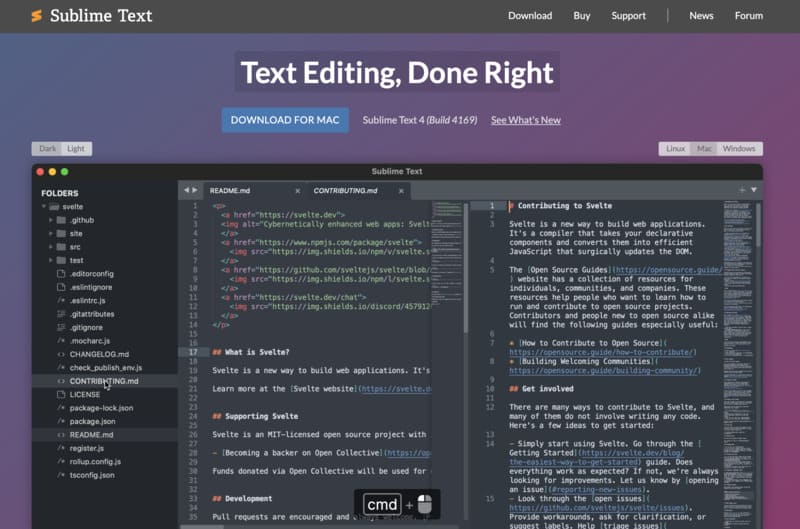
Sublime Text is a versatile and fast code editor, appreciated for its fluidity and numerous features. It is particularly appreciated for its refined interface and its ability to effectively manage large-scale projects.
Sublime Text is a great choice for developers looking for a lightweight but powerful editor. It's perfect for those who prefer extensive customization and a fast interface.
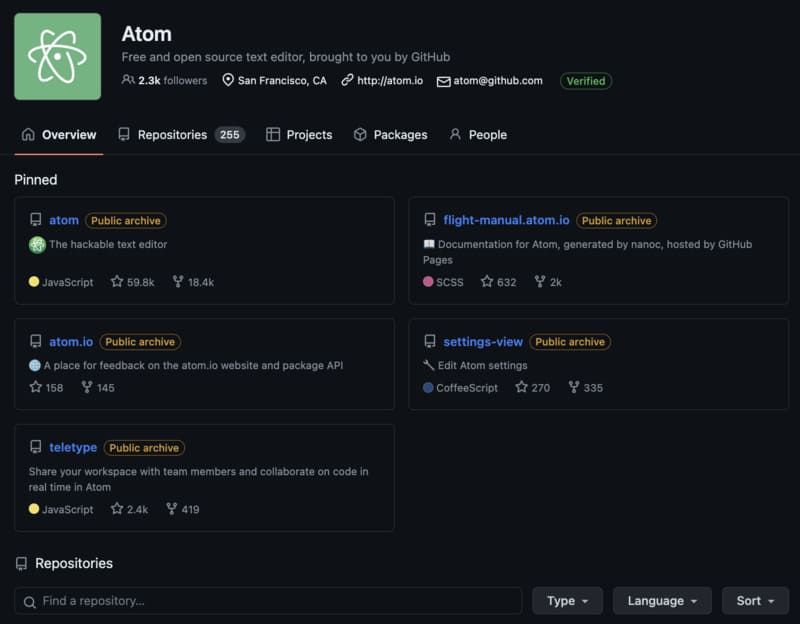
Atom, developed by GitHub, is an open-source text editor that offers great flexibility and perfect integration with Git and GitHub. Its open-source nature means that it is constantly being improved by an active community.
Atom is ideal for developers who are looking for a free, customizable solution and who appreciate the tight integration with GitHub for effective project management.
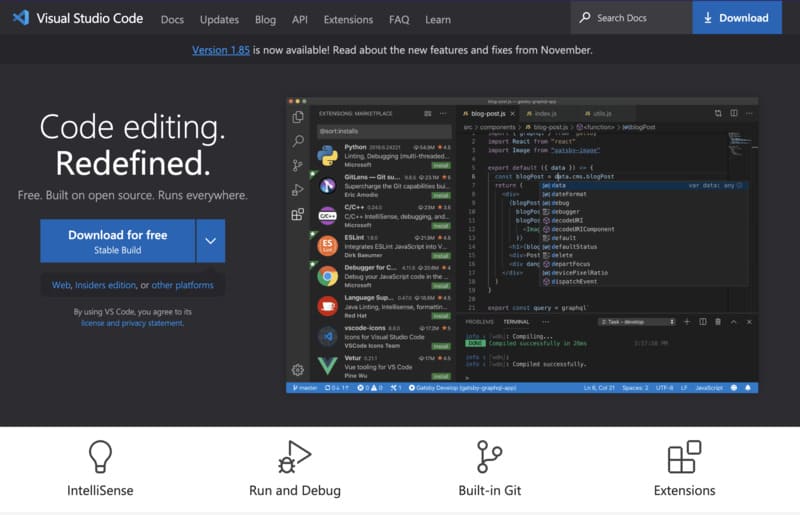
Visual Studio Code, created by Microsoft, has become one of the most popular code editors. It offers advanced editing features and tight integration with developer tools.
Visual Studio Code is a robust choice for developers looking for a comprehensive tool with advanced debugging and version management support.
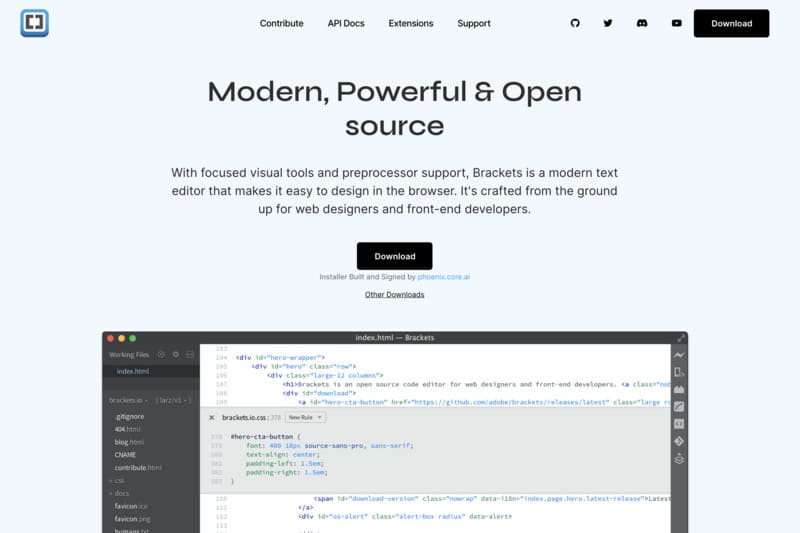
Brackets is an open-source text editor focused on web design and front-end development. It is known for its “Live Preview” feature, which shows changes in real time in the browser.
Brackets is perfect for front-end developers and web designers who are looking for a lightweight editor with specific features for web development.

Stylizer is a CSS editor for Windows and Mac, designed to provide a real-time preview of your CSS edits. It is compatible with all popular browsers and eliminates the need for temporary files.
Stylizer is ideal for anyone looking to get an instant overview of their CSS edits, thanks to its intuitive interface and real-time preview features. However, its $79 price may be a drag for casual users or newbies.

This editor is used more for coding than as a WYSIWYG editor. Its latest available version is 5.0.0.108.
TopStyle is a solid choice for experienced web developers, especially for those who value live FTP editing and compatibility with tools like Dreamweaver. However, the cessation of the development of the tool limits its attractiveness in the face of more modern options.

Rapid CSS Editor, for Windows, includes advanced features like cross-browser preview and plugin management.
Rapid CSS Editor stands out for its autocompletion and plugin management capabilities, making it suitable for developers looking for a more advanced CSS editing experience. It's reasonably priced for the features offered, but newbies might find it a bit complex.

Espresso is a text and CSS code editor for Mac, supporting numerous languages like CSS, HTML, PHP, and more.
Espresso is a powerful tool for Mac users, offering a multitude of advanced features like multiple selection and plugin support. Its weak point is that it is exclusive to Mac, which limits its access to users of other operating systems.

It is a text editor that can be used on Mac and iPad. It has many features like CSS replacement, publishing, local indexing, etc.
Features can be added through plug-ins and it also supports existing plugins.
Disadvantages
it is only available for Mac OS.
$99.
CSS (Cascading Style Sheets) is a style language used to define the presentation of structured textual documents, primarily HTML. CSS allows you to determine how items will be displayed on different media, such as computer screens, printers, or projectors.
The difference between HTML and CSS is essential in web design:
HTML (HyperText Markup Language)

CSS (Cascading Style Sheets)

Interaction between CSS and HTML

In summary, HTML and CSS are two complementary languages: HTML to structure content, and CSS to define how that content is displayed. This combination is crucial for creating modern and engaging web pages.
The process of combining HTML content and CSS style involves two main steps:
The DOM plays a crucial role in the way CSS works. It consists of nodes representing each piece of text, attribute, and markup language element. Understanding the DOM is critical to maintaining, designing, and debugging CSS.
By applying CSS rules to the DOM, you can significantly change the appearance of elements in a browser. For example, by applying styles to elements<span>, you can change the color and style of text.
There are several ways to apply CSS to HTML:
Each method has its pros and cons, and the choice will depend on the specific requirements of the project.
Conclusion
CSS is a powerful tool for web developers, allowing precise customization of the presentation of HTML documents. Mastering it requires understanding its basic concepts, how the DOM works, and the different methods to effectively apply it to HTML documents.
There are several versions of CSS, each offering more advanced features:
Each version is backwards compatible, ensuring the functionality of websites using older versions in modern browsers.
CSS editing software is a tool used to create and edit cascading style sheets (CSS). These programs offer features like syntax highlighting, autocompletion, and live preview to facilitate the design of web styles.
Benefits include ease of use, time savings through advanced features, and the ability to visualize changes in real time. This allows for a more efficient and accurate design of website styles.
CSS editing software is specially designed to work with CSS and offers dedicated features such as real-time preview, autocompletion, and integration with CSS frameworks. A regular text editor, on the other hand, is more general and may not offer these advanced CSS features.
CSS editors make coding easy and these editors also make updates easy. So we can conclude that CSS code editors provide developers with more flexibility.